“As mind-reading companies become a reality, our future sounds more like the plot of a dystopian novel than the twenty-first century. But our reality is fact, not fiction. So, to safeguard our rights, it might be time to write to our representatives to stop Big Data from reading our minds.”
“Among the many environmental problems that plague our biodiversity and environment today, microplastics continue to be a stubborn and expansive problem.”
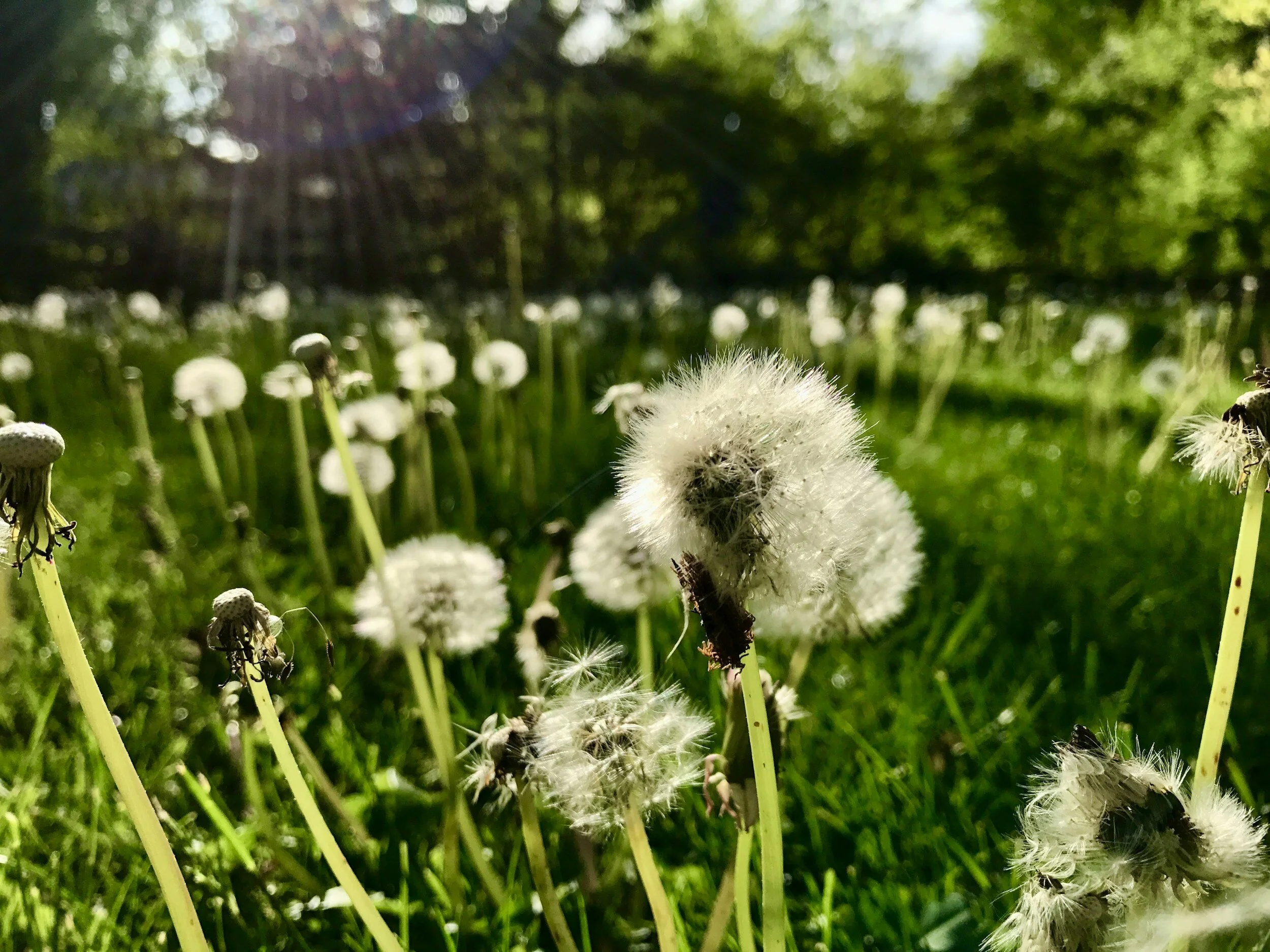
“Last year, state lawmakers sought to address concerns about both invasive species and noxious weeds by passing legislation tightening regulations on invasive plants and loosening restrictions on the transportation of noxious weeds.”
“Genetics has essentially been made into a business, with many entrepreneurs and investors battling for a share of this new, innovative money-making venture. Demonstrating a clairvoyance only found in fiction, companies are now advertising laboratory tests that can predict the exact diseases a child might develop in the future.”
“In both technical and practical ways, there are many scenarios and possibilities to consider before allowing AI to integrate fully into the healthcare field.”
“After decades of uncertainty, a panel of experts at the University of Virginia pronounced climate change to be directly linked with extreme weather events during the virtual Extreme Weather Events & A Changing Environment webinar.”
“Urban heat islands not only endanger human health with their links to heat strokes and heat-related mortality in cities, but they also create a suite of socioeconomic issues pertaining to pollution and energy costs.”
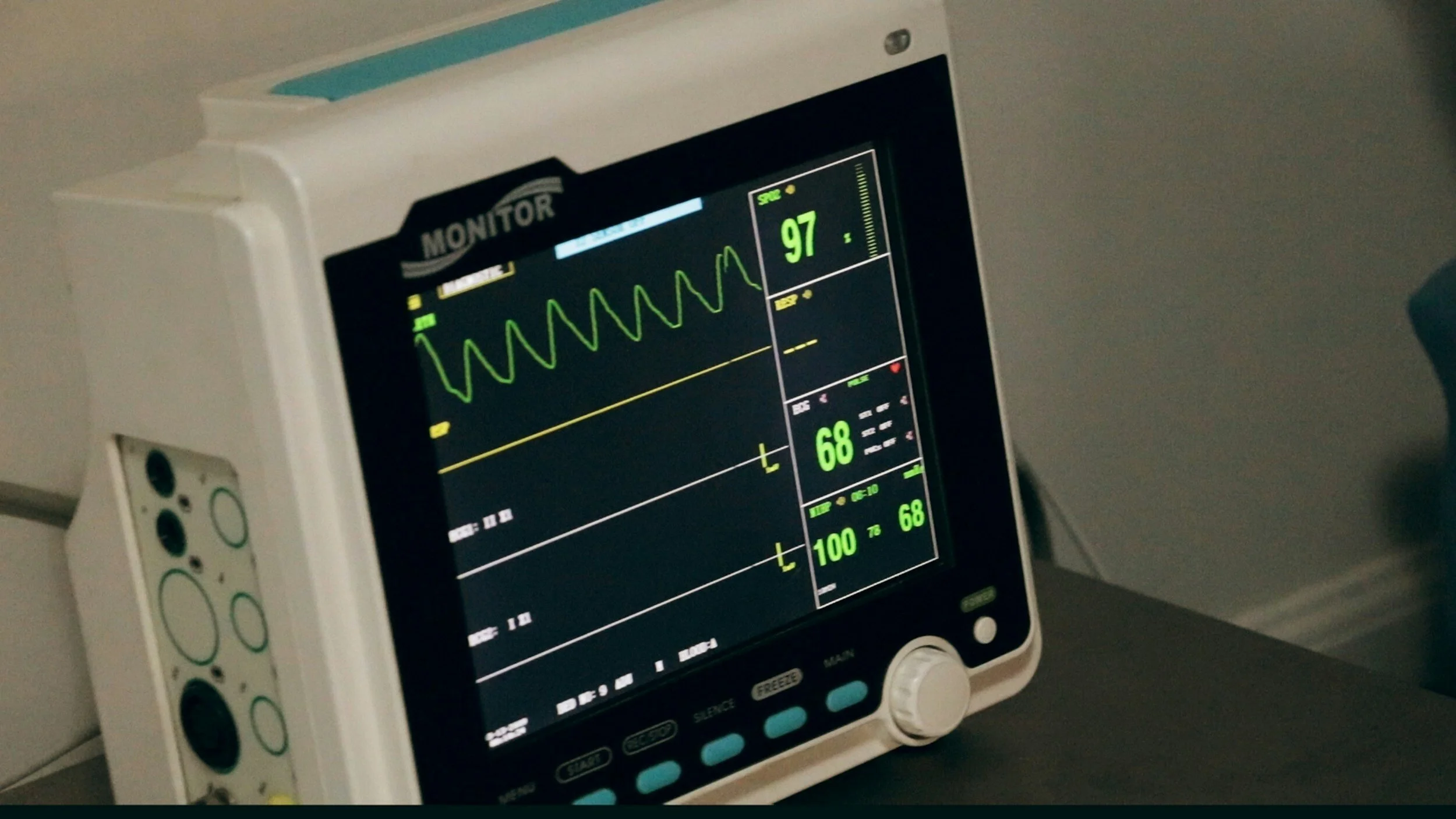
“In an increasingly digitized world, it seems to be emphasized that computerized always means quicker, easier, and better. But in the healthcare setting, current digital systems of health records and vital sign monitoring have many pitfalls that directly sacrifice optimal patient care.”
“The ruling put into question implementation of the clean water act, but EPA Administrator Michael S. Regan assures that the EPA will do “everything we can with our existing authorities and resources to help communities, states, and Tribes protect the clean water upon which we all depend.”
“A quick glance into the UVA dining halls reveals steaming platters of classic foods: chicken, pizza, burgers, salad. Yet upon closer examination, these same meals pile up at the dish return and trash bins as students dispose of their unfinished meals.”
“The anti-LGBTQ+ legislation introduced in recent years is not simply a matter of educational curriculum; it is a matter of the health and livelihoods of millions of United States citizens.”
“Regardless of the potential risks that may come with unshackling prisoners for medical professionals and their caregivers, it does not outweigh the dangerous consequences from the negligence and poor healthcare that these pregnant women may face.”
“Is whole genome sequencing a flawless procedure? No, far from it, and issues regarding cost, privacy, and data analysis are likely not disappearing anytime soon. But with enough time, and as developments in bioinformatics, cost, and public awareness foster, whole genome sequencing is definitely a blueprint that will undergo translation.”
“Surrogacy is no longer a solution for infertility, but a method to adhere to toxic cultural and workplace pressures placed on human and nonhuman beings with childbearing ability.”
“Prenatal testing is a great invention that can help us save many lives and better prepare families for the needs of their unborn fetus, but it can become a more effective service if we begin to prioritize educating families, offer solutions and alternatives rather than passing judgment, and minimize unnecessary testing.“
“As long as healthcare providers are using caution and providing in-depth care, this modern technology should be celebrated, not treated with fear.”
“Physicians should not have to miscode procedures to avoid legal consequences for protecting their patients, and patients should not have to be subject to potential negligence of unknowing hospital staff that endanger their health.“
“The declining caribou populations, as with many prey populations, are due to human activities. Predator management, therefore, may be a last resort, but cannot be justified as a means of benefiting an endangered prey population if it is the sole action taken.“
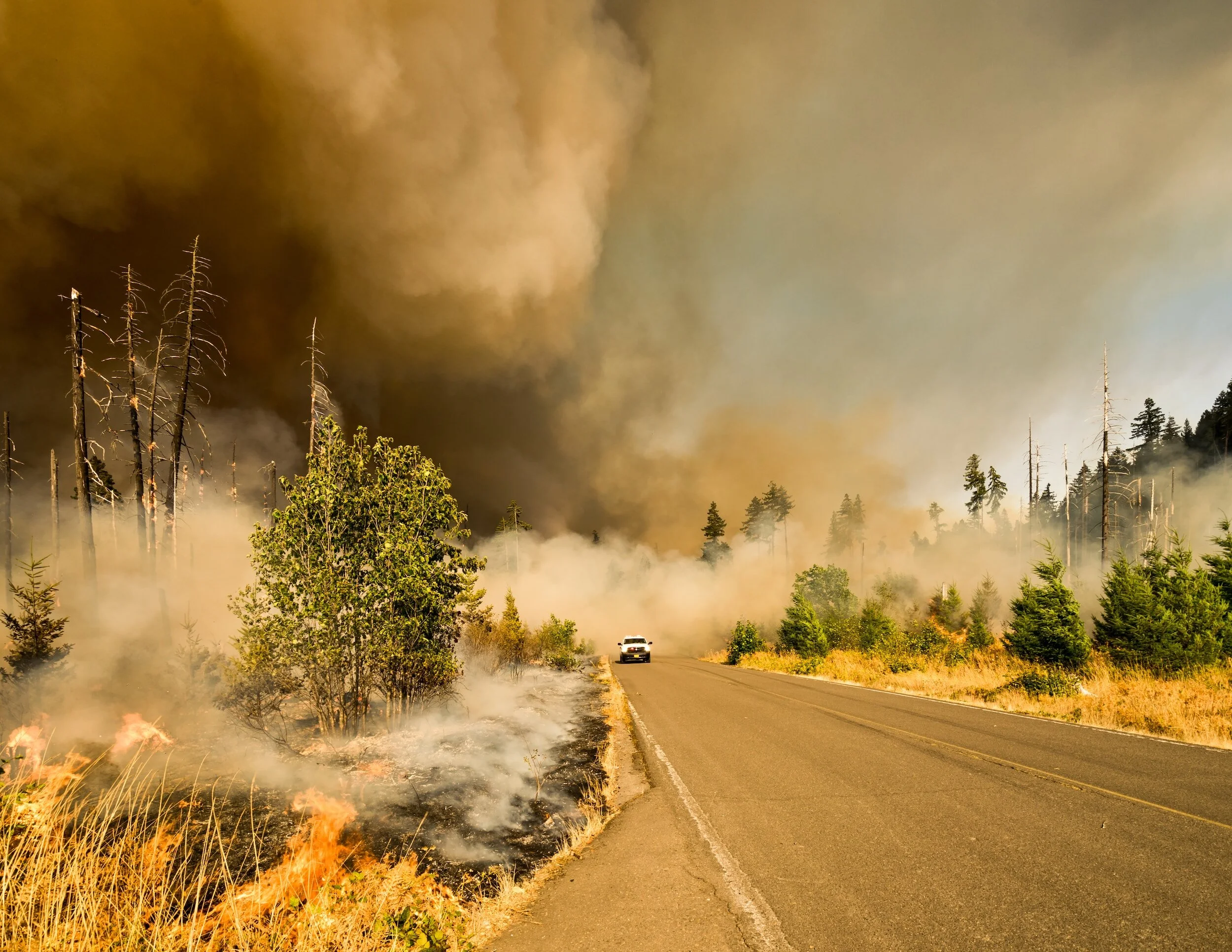
Billows of black smoke blanket the sky, an enormous and all-consuming dark mass. Barrages of ferocious flames ignite the skyline as fires continue to rage and engulf the remains of the Canadian black spruce trees. Meanwhile, spells of yellow-orange haze descend into the United States causing air quality levels to reach what the Environmental Protection Agency describes as “unhealthy for all” [1]. With air quality-related health issues such as chronic bronchitis and decreased lung function on the horizon, natural disasters such as the Canadian wildfires spark concern about the impact of the environment on our quality of life [2]. The will of nature is out of human hands, yet as environmental disasters pose a health risk to our communities, our civilian duty begs the question: what can we do?
A key distinction to appreciate when contextualizing a natural disaster is to recognize what is and what is not man-made. In the context of wildfires overall, some occur naturally by ignition from the sun’s heat or by a lightning strike. The spread of a wildfire is determined by weather conditions and topography [3]. High temperatures and little rainfall can prime vegetation to fuel the fire to burn faster uphill rather than downhill [4]. These factors are out of human control as wildfires are natural processes. Even though we have the resources to put out these wildfires, sometimes we do not because wildfires are required for the growth and survival of an ecosystem. For example, Yellowstone National Park allows lightning-ignited wildfires to burn because they promote biodiversity as new habitats are generated for differing species and prevent the accumulation of too much leaf litter and deadfall. Controlled fires such as these do not pose a threat to human health, and eventually go out on their own according to the Yellowstone National Park Service [5]. Even Canadian wildfires are common occurrences in the spring and summer as lightning is usually responsible for about half of all fires in Canada as well as 85% of the area burnt each year. However, the other half is where humans must be held accountable [6].
Canada’s record-breaking wildfire season has resulted in culpability being placed on humans who are at fault for this year’s extremities. Some explanations are indisputable such as this year’s early start to wildfire season being the result of unattended campfires and off-road vehicle accidents. One fire in the New Brunswick province began when an all-terrain vehicle caught fire on a trail, igniting the surrounding area [7]. In these situations, the responsibility rests on individuals such as 68% of wildfires between 2017 and 2022 being human-caused in the province of Alberta [8]. Though, this does not explain the full story behind Canada’s historical wildfire season in 2023. [9]. In addition to human error, climate change is a frequently cited cause for several intense weather events, including this year’s Canadian wildfires [10].
Climate change is a man-made, systematic problem, and we must acknowledge how human behavior has contributed to its development. Climate change is exacerbated by the increase in human emissions of heat-trapping greenhouse gasses such as water vapor, carbon dioxide, and methane [11]. On a broader scale, agriculture, oil, and gas operations are major sources of methane emissions that cause the global warming of the earth. Humans are responsible for virtually all of global heating over the last 200 years and as a result of human activity, the last decade was recognized as the warmest on record [12]. In terms of wildfires, climate change can shift factors like temperature, soil moisture, and aridity of forest fuel in favor of more extreme wildfires. For example, increasing temperatures can create conditions of extended drought and persistent heat that can lead to more active and longer wildfire seasons similar to the ones Canada has seen this year [13]. As the climate continues to change, research suggests that the fire season will worsen in coming decades such as parts of Quebec and Ontario will likely see the number and size of wildfires increase [14]. This is a reminder that Canadian wildfires are not a one-time occurrence if we are not proactive in working to combat climate change
Recognizing the role of human action as the reason for the increase in the frequency and severity of natural disasters such as wildfires is important for taking accountability and working towards finding a solution. On an individual basis, the average carbon footprint in the U.S. is about 14.6 tons of CO2, more than double the global average of 6.3 tons [15]. To preserve a livable climate, this number must go down to about 2.0 to 2.5 tons by 2030. The United Nations recommends initiatives such as lowering heating and cooling, using more energy-efficient appliances, making electric rather than gas transportation choices, and eating more vegetables towards reducing emissions [15]. Though, the difficult truth is that it is inconvenient to sacrifice your car to ride the bus at designated times. Making eco-friendly choices, rather than fiscal ones can be a costly downside for consumers [16]. It is also inconvenient to replace every household appliance with renewable energy. By no means, is reducing our carbon footprint an easy task, especially when our change won’t make the impact needed to reverse the overbearing issue of climate change. Regardless, taking individual action still holds great value in influencing our surrounding community, and most importantly, reminding us of our self-worth.
On a global scale, one action may be insignificant, yet the same effort creates a fundamental commitment toward confronting climate change. The dedication to lowering our carbon footprint creates meaning by placing value on the quality of human life including our own. Consider the act of choosing to place a plastic cup in the recycling bin rather than the nearest trash can. For the person waiting to throw their trash away behind you, the moments of thought as you decide which bin to dispose of your items in signifies that individual action does count for something, and possibly, their decision will too. In this instance, recycling contributes towards lowering greenhouse emissions by more than 50% by reducing the energy needed to extract or mine virgin materials [17]. For myself, offering to carpool with my friends or asking them to drive creates meaning by addressing the reality of climate change and how our small group of people can still be part of a movement without sacrificing too much comfort. Carpooling both on the way to work and home can potentially decrease 22%-28% of CO2 emissions, and these numbers remind us that the smallest actions are still relevant contributions in decreasing emissions as they build valuable attitudes around change [18]. These choices are much more than their numerical impact on carbon emissions but are essential in highlighting the importance of individual action under the umbrella of mentality.
Gnawing dread, coursing fear, and racing hearts are some of the unforgettable feelings induced by the sight of orange shrouds above the skies of our homes. The unfortunate reality is that these emotions may become familiar as wildfires are predicted to intensify as a consequence of climate change. While climate change certainly isn’t responsible for every single disaster, it is undeniable the great amount of influence it has on our environment with wildfires being just one example [19]. It is fair to say that without change, the future holds other unpredictable, terrifying moments that could jeopardize the future of humanity. Taking accountability is the first step in the grand scheme of trying to fix our own mistakes. The next is to put the first foot forward in understanding that our personal choices carry a priceless value to individuality and others. Recognizing the importance behind our actions is essential before confronting larger, systematic causes. Collective individual contribution is the effort needed to successfully challenge the companies responsible for the majority of emissions [20]. We all have a part to play, and it has to start with ourselves.
References:
1. Hauser, C., & Moses, C. (2023, July 17). Smoke pollution from Canadian wildfires blankets U.S. cities, again. The New York Times.
https://www.nytimes.com/2023/07/17/us/wildfire-smoke-canada-ny-air-quality.html 2. US Department of Commerce, N. (2021, July 2). Why Air Quality is important. National Weather Service. https://www.weather.gov/safety/airquality
3. Moore, A. (2021, December 3). Explainer: How wildfires start and spread. College of Natural Resources News. https://cnr.ncsu.edu/news/2021/12/explainer-how-wildfires-start-and-spread/ 4. Wildfires. Education. (n.d.).
https://education.nationalgeographic.org/resource/wildfires/#:~:text=Wildfires%20can%20start%20wit h%20a,primed%20to%20fuel%20a%20fire
5. U.S. Department of the Interior. (n.d.). Fire. National Parks Service.
https://www.nps.gov/yell/learn/nature/fire.htm
6. Bilefsky, D., & Austen, I. (2023, June 10). What to know about Canada’s exceptional wildfire season. The New York Times.
https://www.nytimes.com/article/canada-wildfires-what-to-know.html#:~:text=While%20wildfires%20 are%20common%20in,remote%20and%20sparsely%20populated%20areas
7. Owens, B. (2023, June 9). Why are the Canadian wildfires so bad this year?. Nature News. https://www.nature.com/articles/d41586-023-01902-4
8. 2022 Alberta wildfires seasonal statistics. (n.d.).
https://open.alberta.ca/dataset/db7cdfde-7ccd-4419-989f-09f8bb28da22/resource/afd19465-f0e9-426b -b371-01569145aa86/download/fpt-alberta-wildfire-seasonal-statistics-2022.pdf
9. Livingston, I. (2023, June 16). Analysis | why Canada’s wildfires are extreme and getting worse, in 4 charts. The Washington Post.
https://www.washingtonpost.com/weather/2023/06/12/canada-record-wildfire-season-statistics/
10. Kelly, M. (2023, June 19). What Canadian wildfires signify for climate, Public Health. Dartmouth. https://home.dartmouth.edu/news/2023/06/what-canadian-wildfires-signify-climate-public-health#:~: text=Unlike%20wildfires%20in%20the%20West,to%20global%20warming%2C%20Mankin%20said 11. United Nations. (n.d.-b). What is climate change?. United Nations.
https://www.un.org/en/climatechange/what-is-climate-change
12. What is your carbon footprint?. The Nature Conservancy. (n.d.).
https://www.nature.org/en-us/get-involved/how-to-help/carbon-footprint-calculator/ 13. Wildfires and climate change. Center for Climate and Energy Solutions. (2023, July 14). https://www.c2es.org/content/wildfires-and-climate-change/
14. Wang, X., Swystun, T., & Flannigan, M. D. (2022). Future wildfire extent and frequency determined by the longest fire-conducive weather spell. Science of The Total Environment, 830, 154752. https://doi.org/10.1016/j.scitotenv.2022.154752
15. United Nations. (n.d.-a). Actions for a healthy planet. United Nations.
https://www.un.org/en/actnow/ten-actions#:~:text=Eating%20more%20vegetables%2C%20fruits%2C %20whole,energy%2C%20land%2C%20and%20water
16. Ofei, M. (2023, May 25). Why sustainable products are more expensive (and how to save money). The Minimalist Vegan.
https://theminimalistvegan.com/why-are-sustainable-products-expensive/#:~:text=So%20yes%2C%20s ustainable%20products%20are,the%20cost%20of%20going%20green
17. Climate change, recycling and waste prevention. Climate change, recycling and waste prevention from King County’s Solid Waste Division - King County. (n.d.).
https://kingcounty.gov/depts/dnrp/solid-waste/programs/climate/climate-change-recycling.aspx#:~:tex t=Recycling%20helps%20reduce%20greenhouse%20gas,extracting%20or%20mining%20virgin%20mate rials
18. Bruck, B. P., Incerti, V., Iori, M., & Vignoli, M. (2017). Minimizing CO2 emissions in a practical daily carpooling problem. Computers & Operations Research, 81, 40–50.
https://doi.org/10.1016/j.cor.2016.12.003
19. Environmental Protection Agency. (n.d.). Climate Change Indicators: Weather and Climate. EPA. https://www.epa.gov/climate-indicators/weather-climate#:~:text=Rising%20global%20average%20tem perature%20is,with%20human%2Dinduced%20climate%20change.
20. Ekwurzel, B., Boneham, J., Dalton, M. W., Heede, R., Mera, R. J., Allen, M. R., & Frumhoff, P. C. (2017). The rise in global atmospheric CO2, surface temperature, and sea level from emissions traced to major carbon producers. Climatic Change, 144(4), 579–590.
https://doi.org/10.1007/s10584-017-1978-0
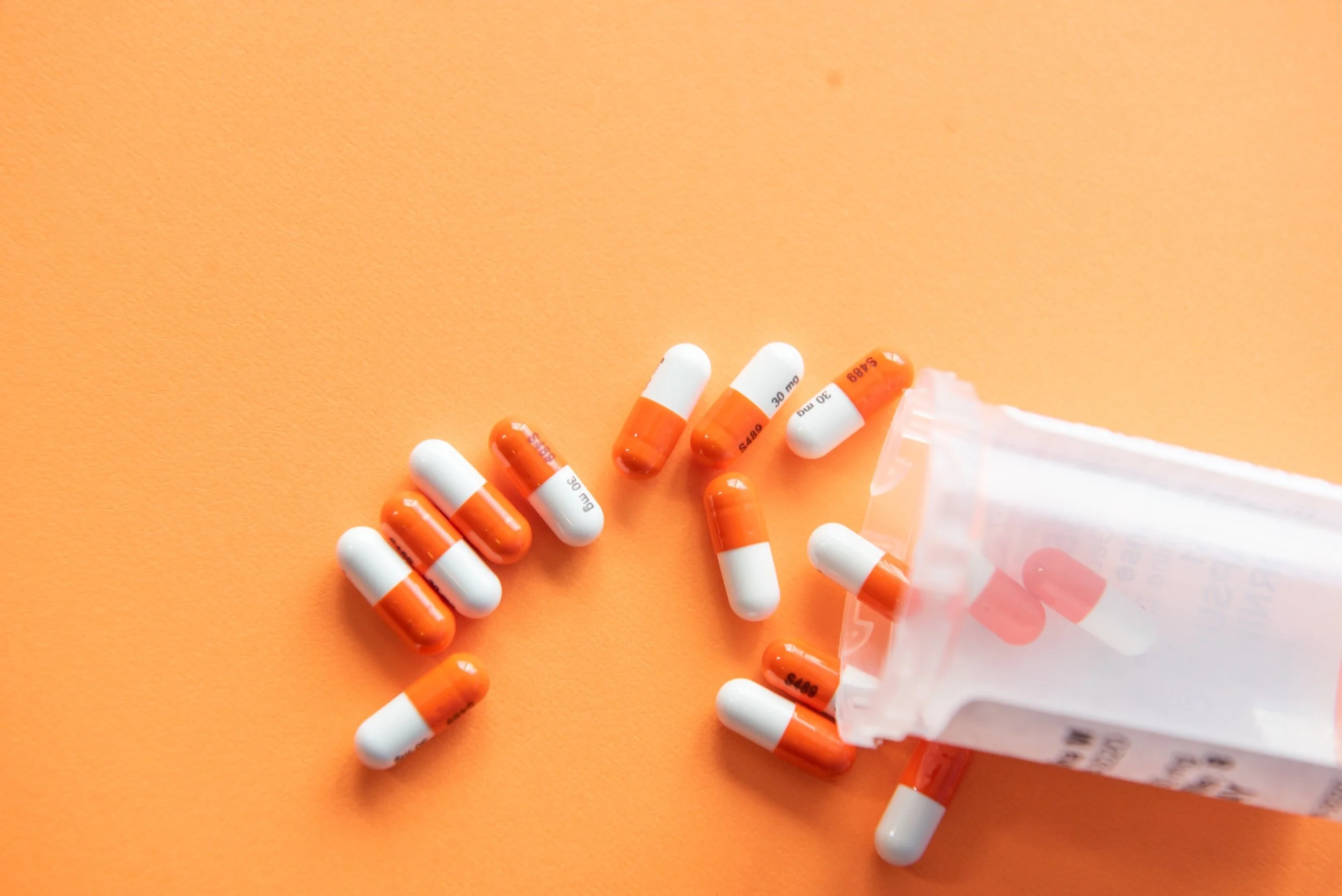
Many of us have encountered a friend who shares a “medical hack” when they reference that distant family member –– an uncle or a cousin –– who can prescribe them whichever medication they choose. That friend may rant or rave that whenever they are sick, “amoxicillin” or any sort of antibiotic is their panacea which cures even the most stringent of colds. However, I do not utilize the word colds lightly as that is a viral infection and many times, these medications are not utilized with the backing of the rigorous diagnostic process that a clinician performs as part of patient care. Rx has now effectively become through the family tree; instead of having the protective gutter guards that prevent one from unnecessarily taking medication, access has been expanded. This has both beneficial and detrimental impact on patient care and therefore has serious ethical implications. These implications cannot be understood without laying a simple foundation: who in the medical system is eligible to prescribe and can be deemed a “prescriber,” and what legislative stipulations and ethical obligations govern that ability? Furthermore, with the understanding of prescriptive authority, an ethical scenario, and then some legislative context, one can understand that the ethical guidelines that have been established are clear, but need additional reinforcements.
Prescriptive authority is an area of healthcare that has seen accelerated changes within recent years through the growth of physician assistants (PAs) and nurse practitioners (NPs) which have a scope of practice that has expanded and evolved over time [1]. Physicians with the highest degree of prescriptive authority are those with a Doctor of Medicine (MD) or a Doctor of Osteopathic Medicine (DO) designation as they are able to prescribe medications, including controlled substances which include medications such as opioids, stimulants, depressants, hallucinogens, and anabolic steroids [1]. Furthermore, with a Drug Enforcement Agency (DEA) license, these physicians are able to prescribe Schedule II to V medications, which are narcotics and controlled substances. The advent of the first physician assistants class formed in 1965 saw the advent of a novel healthcare professional seeking to fill the gap left by the shortage of physicians. Although state law varies, these healthcare professionals lack complete autonomy as they must be overseen by a physician. Furthermore, the advent of nurse practitioners were seen to deal with the lack of access to pediatric care [1]. Unlike PAs, NPs have greater prescriptive privileges in many states and do not require physician supervision as they are even allowed to prescribe controlled substances. With the increase in PA and NP professionals in recent years, the progressive increase in prescriptive authority has led to changing state laws to increase their autonomy in order to improve healthcare accessibility [1].
Having established those who are able to prescribe medication, diving into a simple ethical scenario is foundational for understanding the ethics of family pharmacists –– if your spouse or partner got a skin infection and needed an antibiotic, is it ethical for you to prescribe that medication to them [2]? There are serious ethical implications and under certain circumstances, it can be argued that it is ethically permissible to treat one’s family members, but in other situations it is not appropriate. Defining the ethical boundary here is incredibly important as it will come with context and provides a framework for caregivers. In emergency situations, such as a cardiopulmonary resuscitation, it is clear that a physician should treat their immediate family member without question as the emergency situation would require them to act to save a life [2]. However, this is not the situation that most ethical concerns would arise; those matters occur when symptoms are nonemergent, when a disease is out of the scope of one’s clinical skills allowing for improper diagnosis.
The Council on Ethical and Judicial Affairs of the American Medical Association determined that if the condition is only a short-term and minor problem, such as a skin infection, it is permissible for a physician to treat family members. The ethical boundary here is that the condition must be short-term, whereas long-term treatments are not permissible [3]. Furthermore, in their analysis of 400 medical staff physicians, they found that 99% of physicians had received requests from family members for medical advice or therapy with 83% of respondents reporting that they had prescribed medication for a family member, and 72% reporting that they had conducted a physical examination. This evidence shows that physicians are utilized by their families as sources of “discounted” medical care. The serious implication and problem with treating family members is the potential for personal relationships to impact treatment and determination of the optimal course of therapy for a patient to undergo [2]. In Drs. Korenman and Mramstedt’s article published in the The Western Journal of Medicine, they argued that several conditions must be met for physicians to prescribe to family members: the ailment is within the physician’s expertise, the physician should not accept any limitations on access to patient’s medical records, physicians should know enough about the method of therapy to feel comfortable with it suse, and follow-up is essential for the treatment to be successful.
These guidelines are solid, but they do not provide enough specificity into the core issue of family pharmacists –– the implication that prescriptions can be made for unnecessary or improperly used medication [4]. In some states, it is completely illegal and rightfully so for physicians to prescribe controlled substances to themselves or other immediately family members, such as North Carolina Rules 21 NCAC 32 B.1001, 32S.0212, and 32M.0109; however, the prescription medications are still legal to be prescribed to family members [5]. Many of these prescriptions can be made for patients who are receiving treatment for conditions they may not have been properly diagnosed. For instance, the friend who has a viral infection or a cold but claims that azithromycin is a panacea for all of their problems. A family member may give them an “Rx” for this medication to treat a condition which it will not even remotely improve and as a result, that patient who is effectively self-prescribing is causing greater damage and the potential generation of antibiotic resistant bacteria [6].
The ethics here are clear, but the legislation is not legally binding enough. The ethical scenarios essentially establish that patients must be in non-life threatening scenarios within a physician’s scope of reference and to where all diagnostic ability can be used. These situations are often not the contexts in which these physicians are prescribing medications, and many times these guidelines established by the American Medical Association are not adhered to [7]. The ethics here are clear, but the legislation fails to protect patients, even when they believe that a family member could be protecting them.
Greater legislative constraints must be placed on “family pharmacists.” That is where there are largely restrictions on “controlled substances” for prescribers, many other prescription medications can have harmful effects beyond just addiction which is the reason for the controlled element of many of these medications [8]. Furthermore, there needs to be some legal protection in place for physicians. In order to prescribe to family members, they must go through higher levels of approval, such as an ethics board where documentation of treating immediate friends and family members can be reviewed following treatment. The proposed regulatory process is not a slowing down of treatment, but that all of the diagnostic processes with a justification of the treatment plan must be defended under an annual review. Failure to disclose these treatments should potentially result in loss of licensure.
This may potentially seem strict and stringent to many, but I feel that given the history of the opioid epidemic and the potential negative effects of unmitigated family pharmacies that there must be additional safeguards in place. The system that I have proposed is online, the specificity of it is broad, but its intention is multi-pronged: regulate family pharmacies, protect patients, and maintain efficiency. I do not want this potential legislative action to hinder the ability of patients to receive care, but there must be a higher level of scrutiny placed upon these situations in order to guarantee that physicians are marking ethical and accurate decisions as bias is inherent in these treatment plans. I believe that the access to medicine provided through these close connections to providers can be of great benefit to patients, but that does not mean that it cannot also be of great harm. To mitigate and minimize this harm is an obligation on part of governments who are aware of these backdoor prescriptions.
Sources:
1) Zhang P, Patel P. Practitioners And Prescriptive Authority. [Updated 2022 Sep 19]. In: StatPearls [Internet]. Treasure Island (FL): StatPearls Publishing; 2023 Jan-. Available from: https://www.ncbi.nlm.nih.gov/books/NBK574557/
2) Korenman, S. G., & Bramstedt, K. A. (2000). Your spouse/partner gets a skin infection and needs antibiotics: is it ethical for you to prescribe for them? Yes: it is ethical to treat short-term, minor problems. The Western journal of medicine, 173(6), 364. https://doi.org/10.1136/ewjm.173.6.364
3) La Puma J, Stocking CB, La Voie D, Darling CA. When physicians treat their own families: practices in a community hospital. N Engl J Med 1991;325: 1290-1294.
4) Latessa, R., & Ray, L. (2005). Should you treat yourself, family or friends?. Family practice management, 12(3), 41–44.
5) Resources & Information. 2.2.3: Self-Treatment and Treatment of Family Members. (n.d.). https://www.ncmedboard.org/resources-information/professional-resources/laws-rules-position-statements/position-statements/self-treatment_and_treatment_of_family_members
6) What happens when you write rx’s for relatives | mdlinx. (n.d.). https://www.mdlinx.com/article/what-happens-when-you-write-rx-s-for-relatives/lfc-3094
7) Virtual Mentor. 2012;14(5):396-397. doi: 10.1001/virtualmentor.2012.14.5.coet1-1205.
8) The controlled substances act. DEA. (n.d.). https://www.dea.gov/drug-information/csa